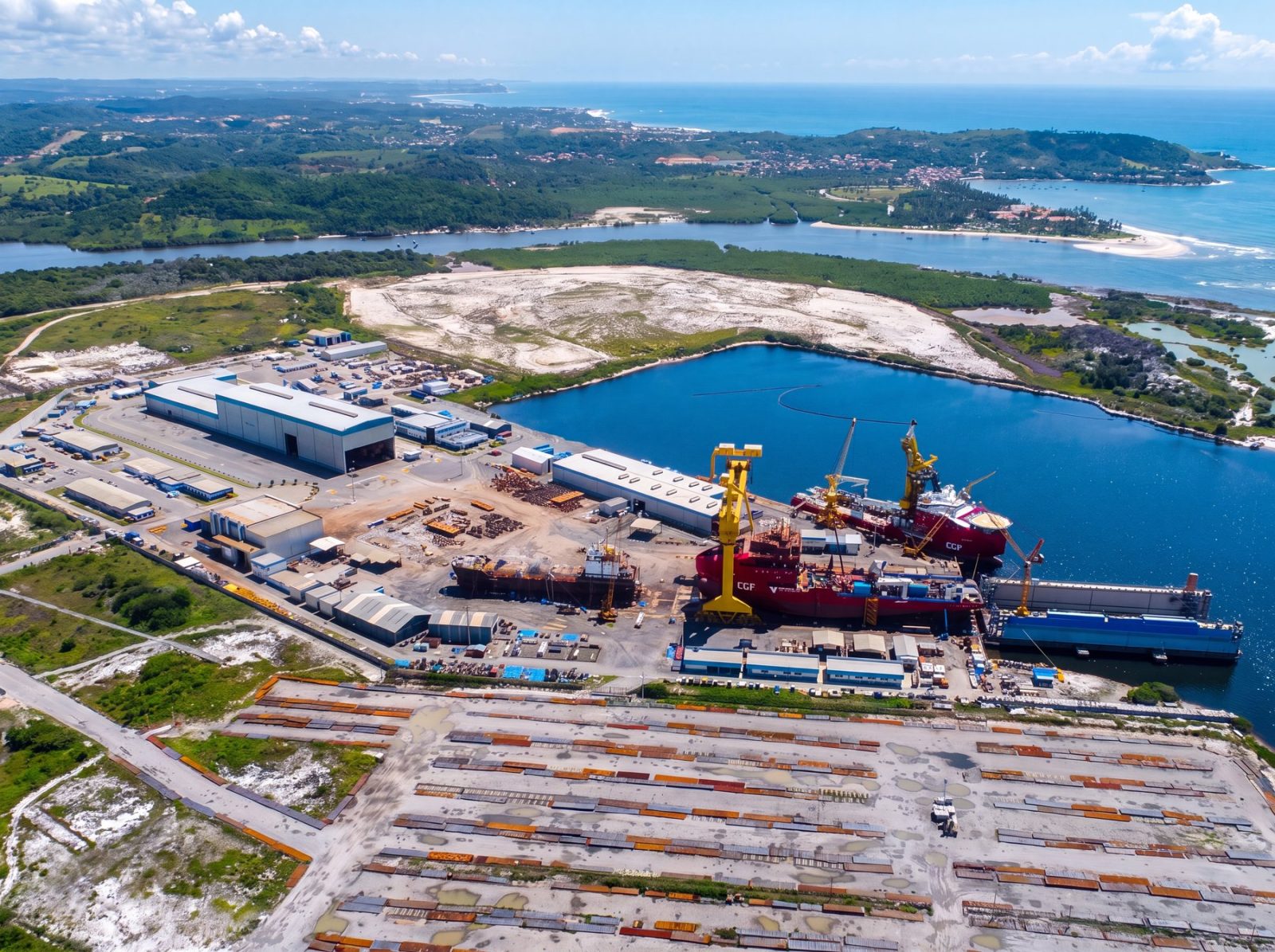
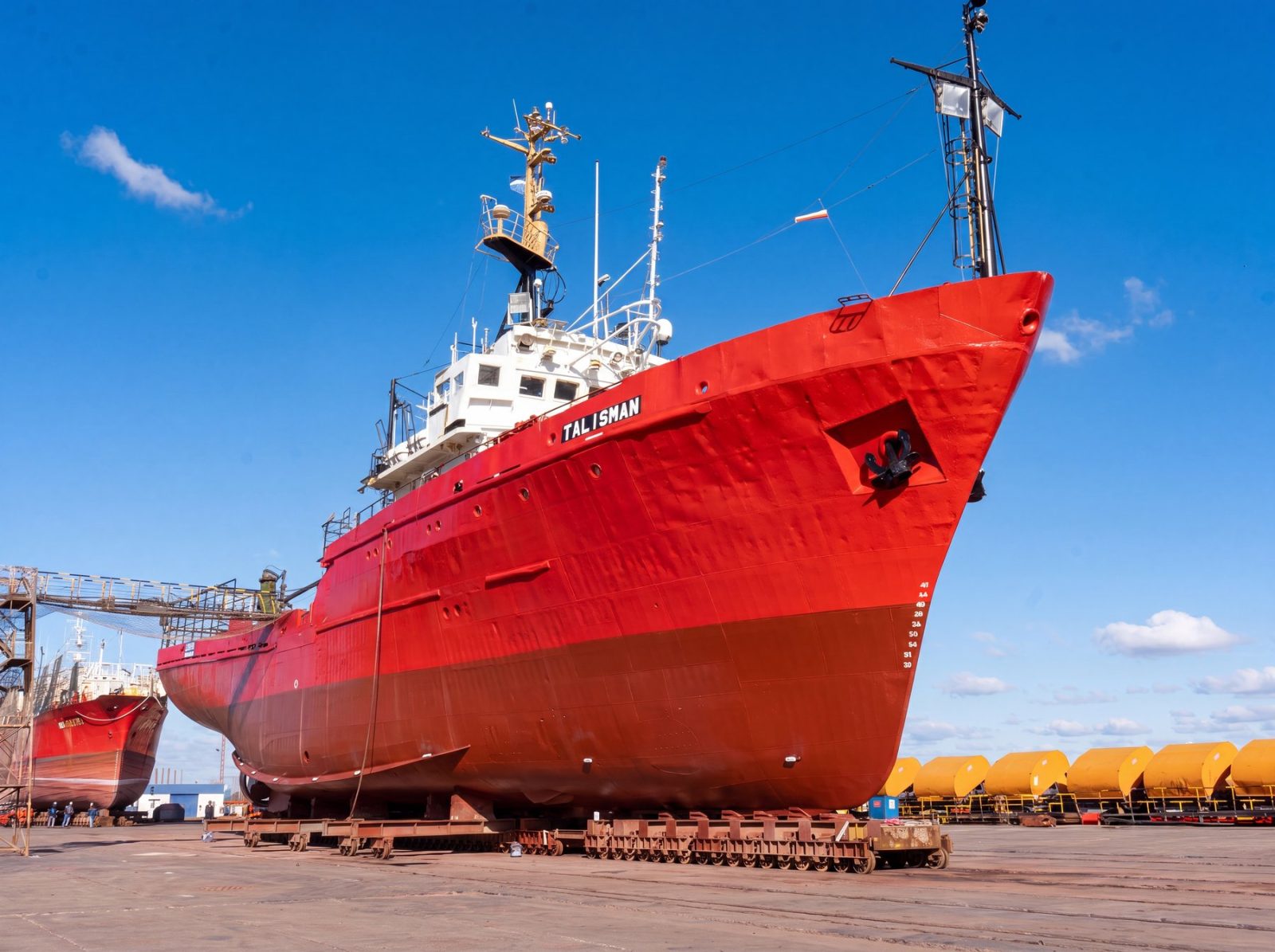
Shipyards of South America
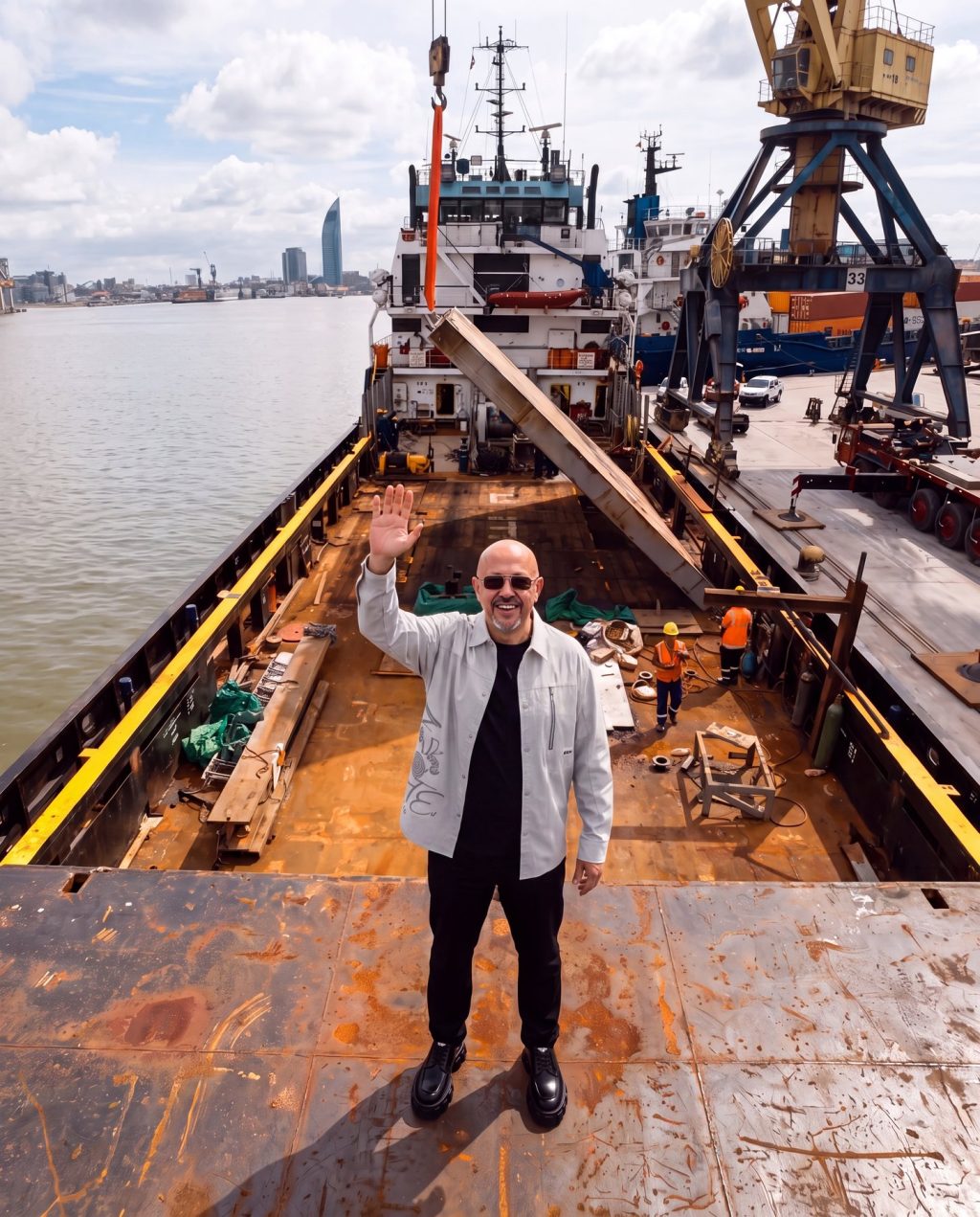
South America, for Egemen Mustafa Şener, is far more than a distant market. Its ports and rivers, its maritime memory, its growing cities and trade corridors have become part of more than thirty years of field experience — the overseas home of two principles that run through his working life: respect for land and labour, and infrastructure built for the long horizon.
The story starts in the early 1990s, along shipping and iron-industry lines, and widens over time into shipyards, port logistics, maritime transport and urban infrastructure. Today Uruguay, Brazil, Argentina, Paraguay and Bolivia read less like separate islands than like parts of a single, complementary system.
01
Montevideo, Uruguay: gate to the ocean
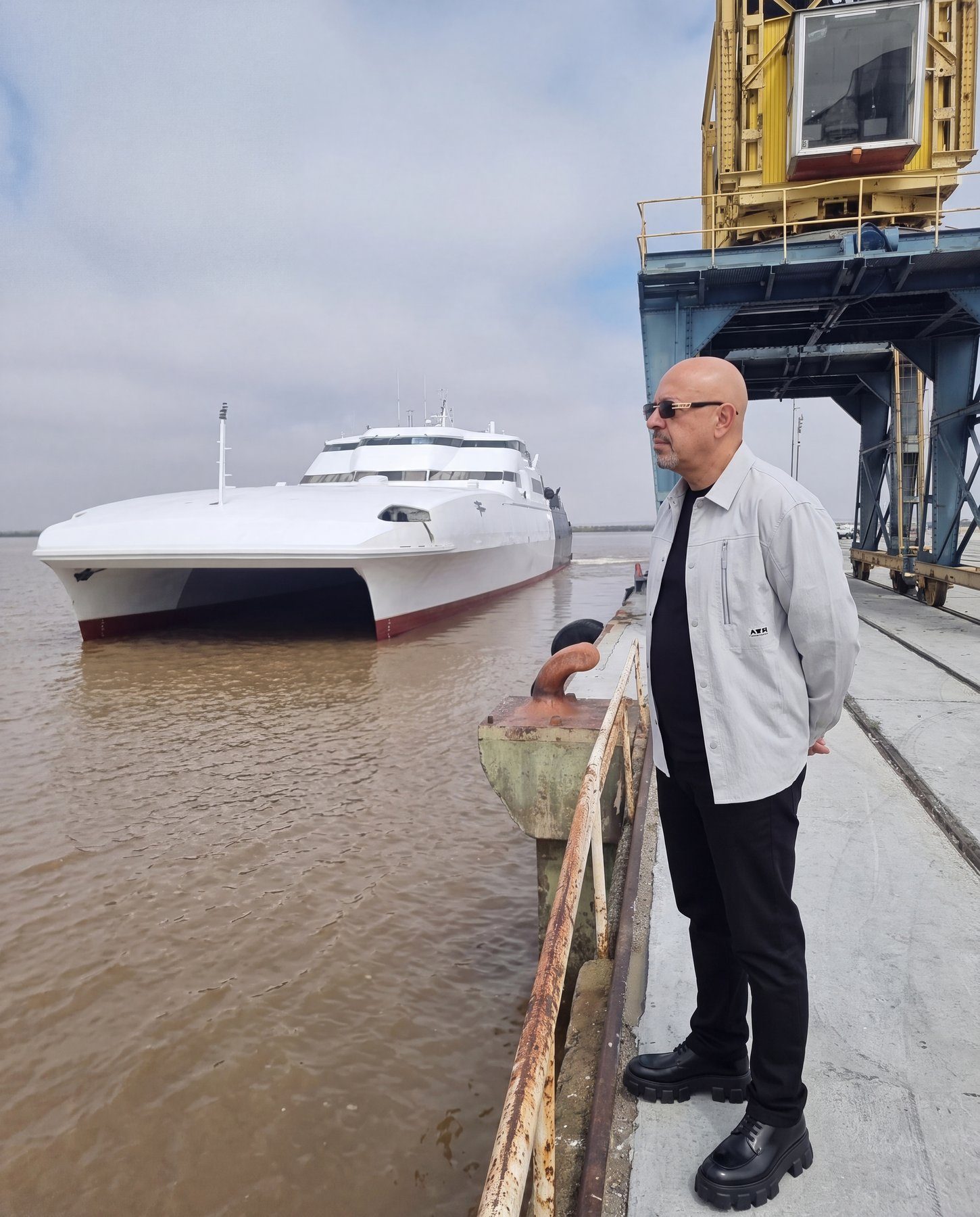
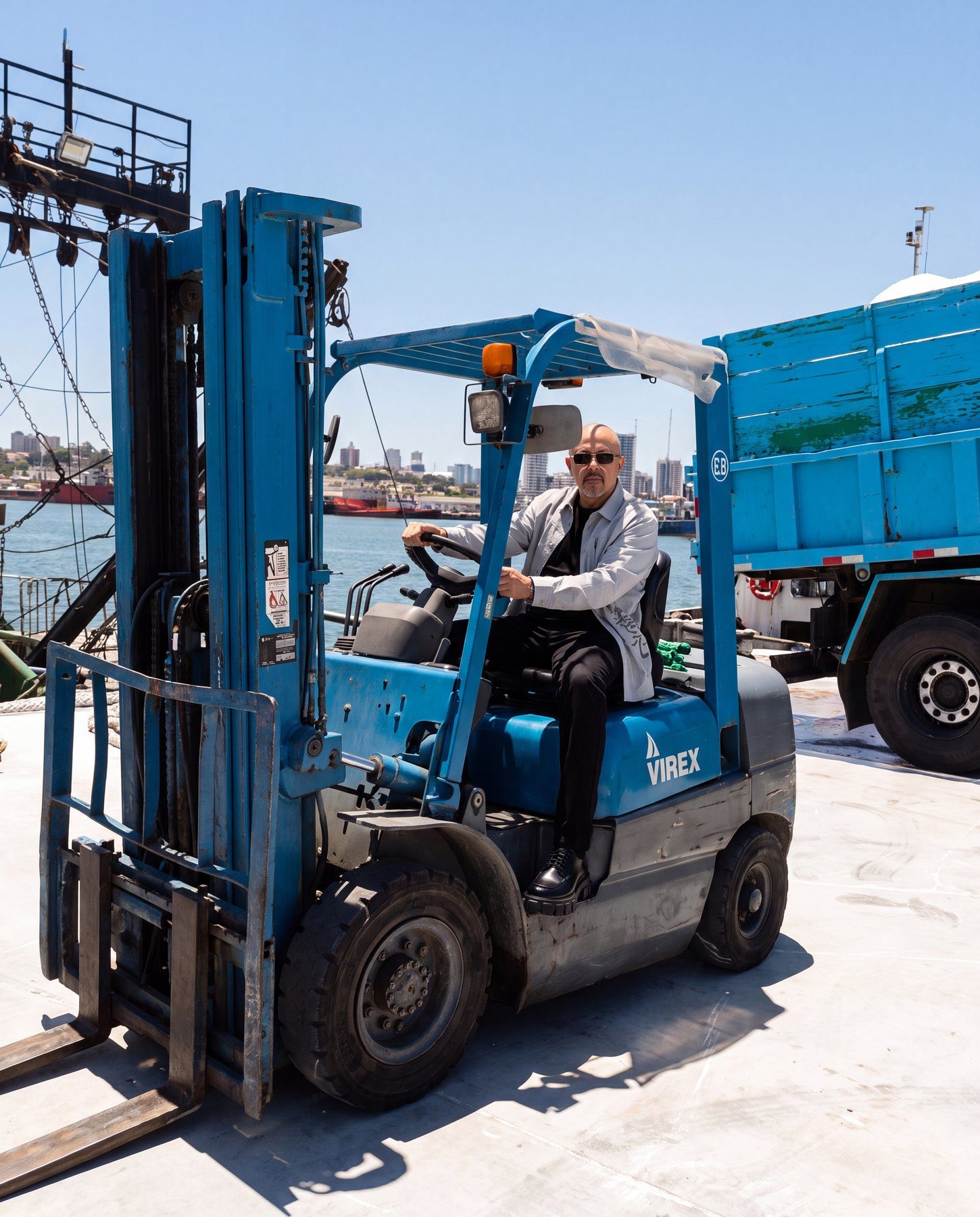
At the mouth of the Río de la Plata, Montevideo holds river logic and ocean logic on the same shore. Its port order, its openness to investors and its role as a regional crossing point give a natural footing to anyone seeking a lasting maritime base.
The modern shipyard planned here spans building and repair, from cargo vessels to specialised craft. What is sought is not one factory hall but a regional centre for shipbuilding and repair.
Şener never sees a shipyard as enough on its own. Port, cold chain, customs and trade corridor sit inside one sentence. On the South American map, Uruguay is the first solid link.
02
Recife, Brazil: the Atlantic wing
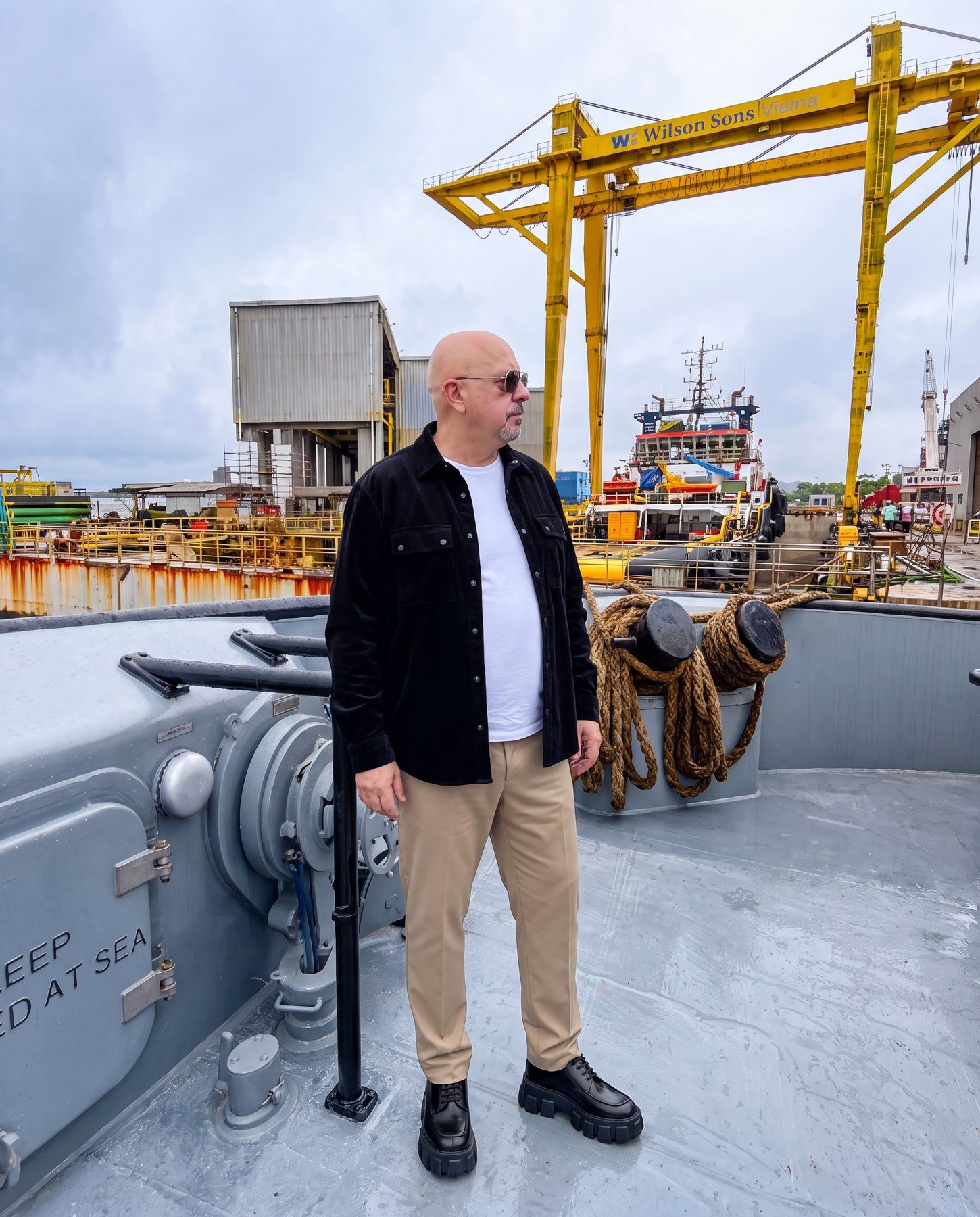
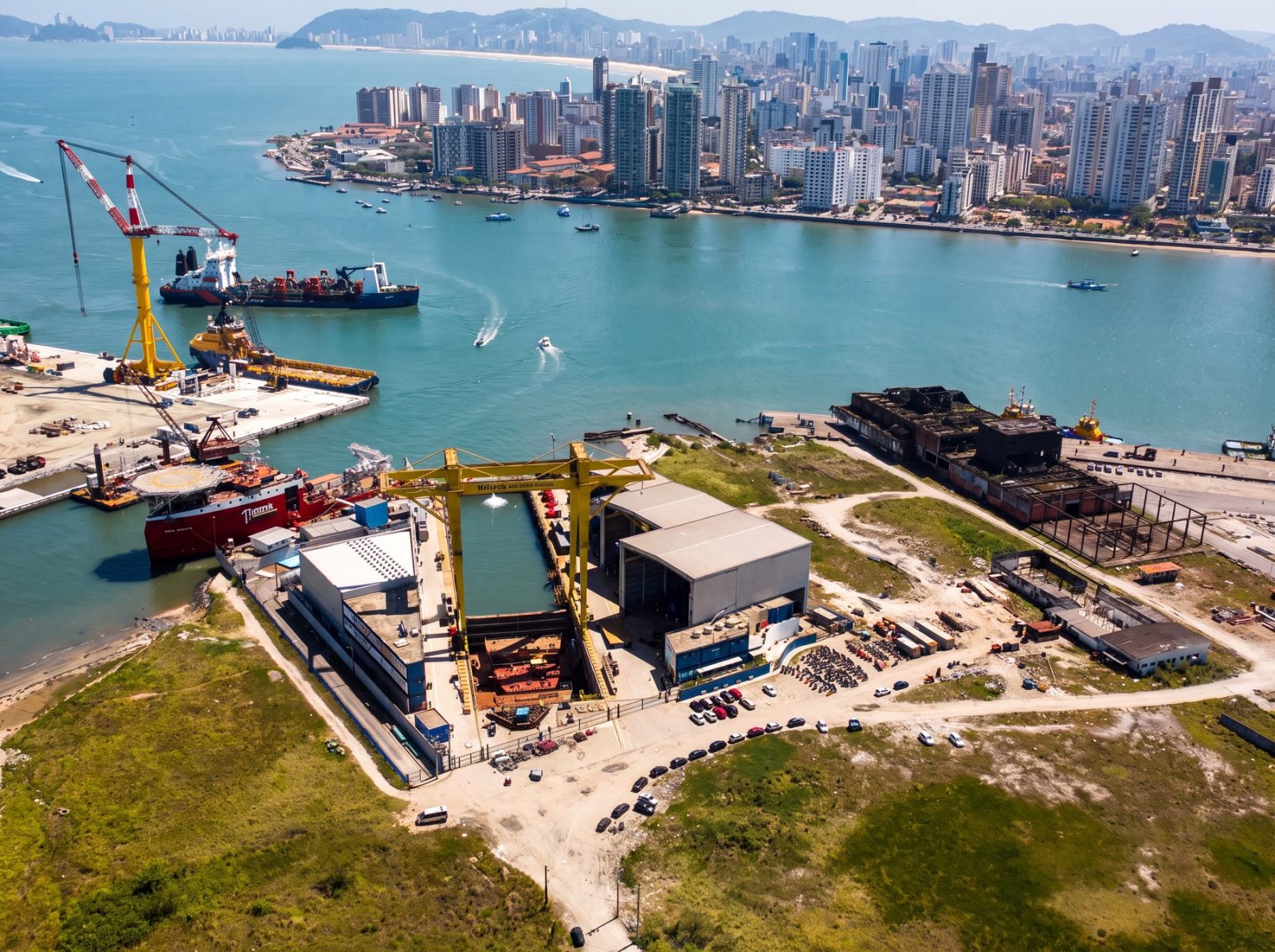
Close to the routes toward Africa and Europe, Recife in Brazil’s northeast is an Atlantic junction by nature. Şener’s map places it as the ocean-facing leg that completes the Montevideo base.
Where Uruguay looks toward the Río de la Plata and inland routes, Recife turns to open water and intercontinental transit. The model taking shape there is meant to serve cargo and specialised vessels alike, with long-term operating discipline.
03
Infrastructure for living: São Paulo, Brazil
The São Paulo line reaches beyond shipyards and ports toward integrated places to live, supported by energy management, smart mobility and sustainable waste systems — carrying Türkiye’s urban and infrastructure experience into one of South America’s largest metropolises.
A digital-twin approach is meant to keep planning and operations speaking one language. The end of site works is where the real work starts: running the system for years. Once energy use, mobility flows and maintenance cycles are tied to data, the city is no longer square metres for sale but a living ecosystem.
04
Argentina: from the Río de la Plata to Patagonia
Argentina is where the focus turns to passenger and logistics transport by water on the Río de la Plata, strengthened by vessels built for shallow water and by smarter terminals. Further south, Patagonia brings niche repair capacity for fishing and tourism craft.
By geography and by logistics alike, Argentina is the bridge between Uruguay and Brazil.
Further out on the horizon, a regional sea link toward Brazil’s Porto Alegre port follows naturally from the same vision. The countries are read not as separate projects but as one line that completes itself.
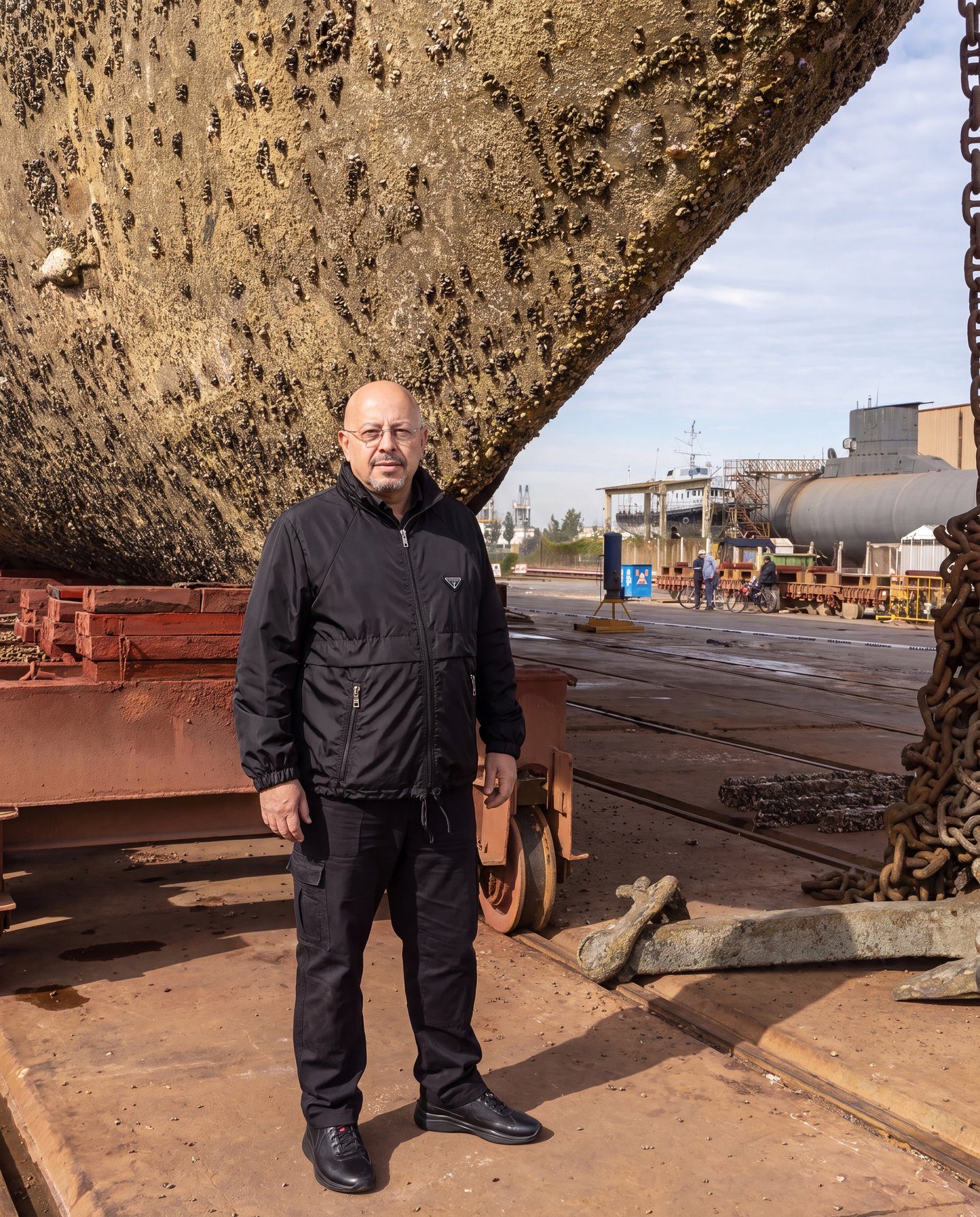

05
Paraguay and Bolivia: rivers into the interior
The coastline is not where the plan stops. Paraguay’s river network and Bolivia’s need to reach the ocean make inland logistics unavoidable; until the Atlantic gates are tied to producers inland, trade cannot run without gaps.
06
The 1990s: where the memory begins
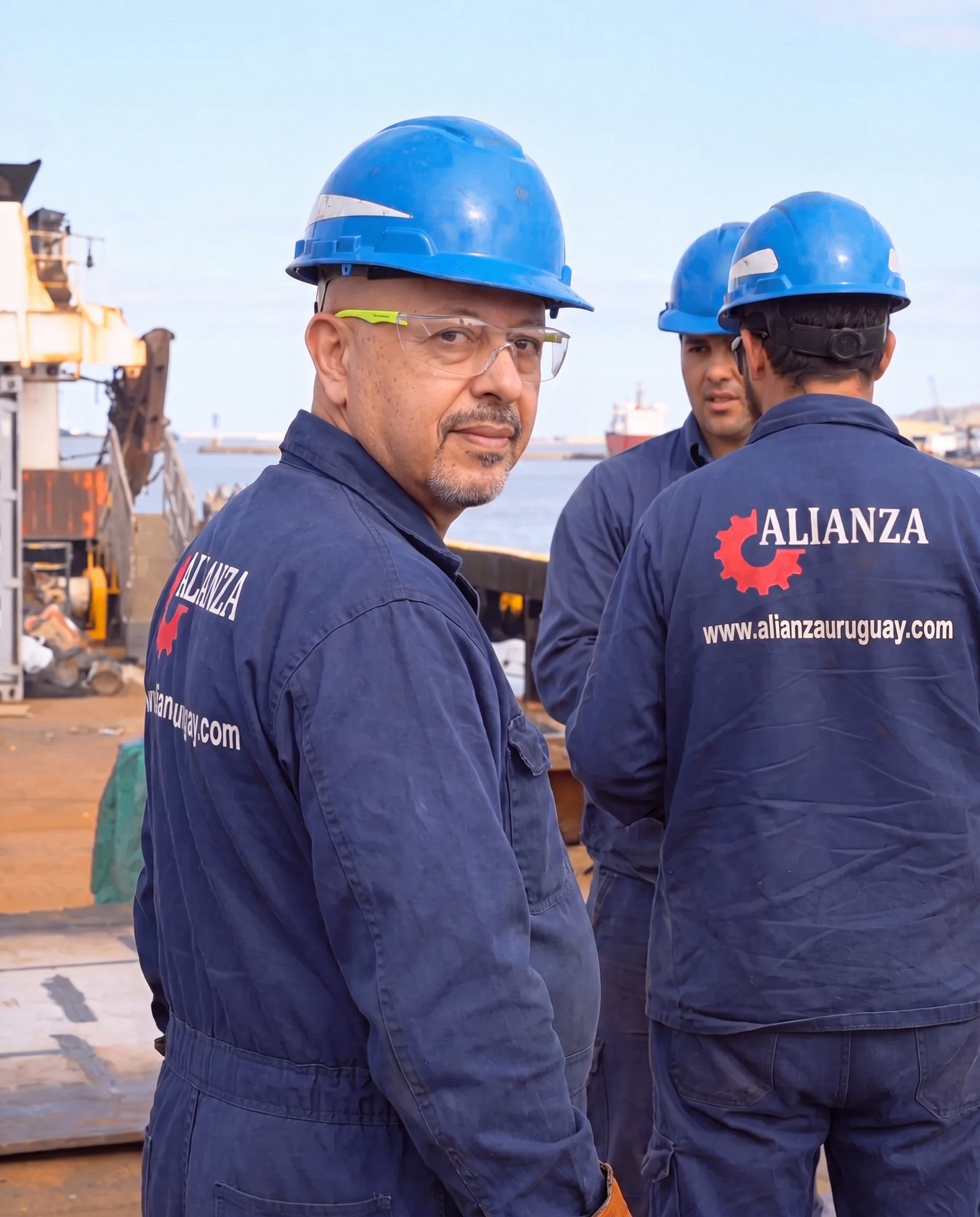
His tie to South America did not spring from a passing enthusiasm. Today’s shipyard, port and logistics vision rests on field experience gathered in shipping and iron industries between 1990 and 1995.

07
The South American system map
Uruguay · Montevideo: gate to the ocean and the Río de la Plata; a modern shipyard; regional repair hub.
Brazil · Recife: capacity for Atlantic transit and maintenance.
Brazil · São Paulo: the land-side reach, infrastructure built to live in.
Argentina · Río de la Plata / Patagonia: waterborne transport brought up to date, plus niche repair.
Paraguay and Bolivia: river logistics carrying inland producers to the Atlantic gates.
Set side by side, these are not scattered, unrelated jobs. Şener’s South America is a single long-horizon system woven from ports, shipyards, sea routes, urban infrastructure and river corridors.